Huawei P9 review
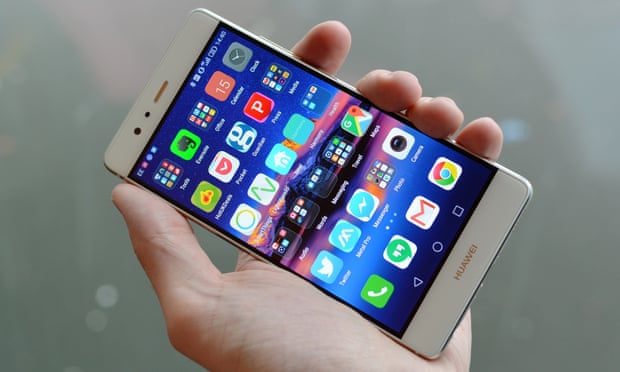
KEY FEATURES
- Dual lens camera setup
- Kirin CPU
- 3GB RAM
- 5.2-inch FHD display
- 3000mAh battery
- Android Marshmallow with EMUI
- Manufacturer: Huawei
- Review Price: £449.00
WHAT IS THE HUAWEI P9?
Since the arrival of the Nokia 808 PureView manufacturers have been battling ever harder to create the very finest phone camera. We've seen everything from mainstream adoption of optical image stabilisation to custom technologies like LG’s laser autofocus and HTC’s Ultrapixels – which reappeared on the new HTC 10.
The P9 is Huawei’s stab at the title and sees the firm team up with photography legend Leica to create what it’s calling “the ultimate camera-phone”.
It features a nifty dual-lens rear camera setup similar to the one Apple’s rumoured to be working on for its fabled iPhone 7, and there’s definitely some truth to Huawei's claim. But be warned, its custom imaging software shares some of proper Leica cameras' “eccentricities”. This, combined with ongoing issues with Huawei's EMUI Android skin, make the P9 a good, but not great, smartphone.
HUAWEI P9 – DESIGN
2016 has been a great year for Android fans, and seen the release of some of the prettiest smartphones ever. Highlights have included the super-swish Samsung Galaxy S7, the awesomely metal HTC 10 and the modular LG G5.
The P9 stands alongside these stellar handsets on the design front and is the best-looking smartphone Huawei’s ever made. It has an undeniable iPhone 6S-ish feel, featuring a unibody metal chassis with flat sides. The metal, combined with the P9’s almost bezel-free display gives the phone a feel that's on par with any 2016 flagship I’ve tested.
Huawei’s also loaded the P9 with a decent portfolio of connectivity. At its bottom you’ll find a USB Type-C port, and along its long right-hand side you’ll find a Nano SIM and microSD card slot. The microSD will let you add a further 128GB of space to the phone’s inbuilt 32GB/64GB. But be warned, if you’re planning on taking advantage of the microSD, the P9 doesn’t support Android Marshmallow's Adoptable Storage feature.
Adoptable Storage lets you instruct your phone to treat SD card storage like native storage – meaning you can do things like install apps directly to the SD card. On past handsets, such as the HTC One A9, I’ve found the feature massively helpful, as it let me walk around with my entire music and games library downloaded with space to spare.
There's a good reason why Huawei, and other phone makers including Samsung and LG, are turning Adoptable Storage off. Running Adoptable Storage means you can’t swap the SD card out without damaging/impacting the smartphone’s performance. Using a cheap SD card will also hamper the phone’s overall performance, so Huawei’s decision is understandable, albeit a little disappointing in my mind.

